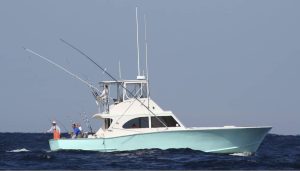
Lake Powell spans 186 miles of red rock canyons across the Utah and Arizona border, holding striped bass, smallmouth, walleye, and crappie in the same clear water (Visit Arizona). This guide covers what bites when, where to cast, and how to get on the water without owning a boat.
Key Takeaways
- Striped bass ‘boil’ at the surface during summer dawns and dusks, letting beginners hook up on nearly every cast while chasing shad.
- Late March through June is the most consistent window, when bass spawn shallow, crappie stack in brush, and multiple species are accessible.
- The backs of side canyons are the single most productive pattern, where smallmouth hold on ledges and largemouth tuck into flooded cover.
- Utah and Arizona honor a reciprocal licensing agreement, so a valid license from either state with the proper stamp covers the entire 186-mile lake.
- Captained charters typically include rods, tackle, and bait and require no boating license, while self-guided rentals run roughly $300–600 per day.
- Walleye have grown into a strong fishery over the past two decades, holding on deeper flats and points in the 20–40 foot range during spring and late fall.
Key Takeaways
- Striped bass ‘boil’ at the surface during summer dawns and dusks, letting beginners hook up on nearly every cast while chasing shad.
- Late March through June is the most consistent window, when bass spawn shallow, crappie stack in brush, and multiple species are accessible.
- The backs of side canyons are the single most productive pattern, where smallmouth hold on ledges and largemouth tuck into flooded cover.
- Utah and Arizona honor a reciprocal licensing agreement, so a valid license from either state with the proper stamp covers the entire 186-mile lake.
- Captained charters typically include rods, tackle, and bait and require no boating license, while self-guided rentals run roughly $300–600 per day.
- Walleye have grown into a strong fishery over the past two decades, holding on deeper flats and points in the 20–40 foot range during spring and late fall.
Key Takeaways
- Striped bass ‘boil’ at the surface during summer dawns and dusks, letting even beginners hook up on nearly every cast while chasing shad.
- Utah and Arizona honor a reciprocal licensing agreement, so a valid license from either state with the proper stamp covers the entire 186-mile lake.
- Late March through June is the most consistent window, when bass spawn shallow, crappie stack in brush, and multiple species are accessible to newer anglers.
- The backs of side canyons are the single best pattern on Lake Powell, where smallmouth hold on ledges and largemouth tuck into flooded cover.
- Chartering a captained boat requires no boating license and typically includes rods, tackle, and bait, while self-guided rentals run roughly $300–600 per day.
- Walleye have grown into a strong fishery over the past two decades, holding on deeper flats and points in the 20–40 foot range during spring and late fall.
What makes Lake Powell fishing worth the trip
Most reservoirs give you one or two target species. Lake Powell gives you five or six in the same day, and that’s what pulls anglers back year after year. The water sits inside Glen Canyon National Recreation Area, where sandstone walls drop straight into water clear enough to sight-fish for bass cruising the ledges.
The lake’s size is hard to overstate. With nearly 2,000 miles of shoreline threading through side canyons, you can run your boat for an hour and never see another angler (Lake Powell Resorts & Marinas). That shoreline is the whole reason the fishing) holds up. Every flooded canyon back, submerged brush pile, and rocky point creates habitat.
What makes the species mix unusual is the pairing of warm- and cool-water fish. Striped bass thrive in the open main channel, while smallmouth and walleye hold on structure a few coves over. You rarely get that range in one body of water, and it means your rigging changes as fast as your location does.
Fish species you can catch at Lake Powell
Knowing what you’re after changes everything about how you rig. A striper setup and a crappie setup share almost nothing, so plan your day around one or two species rather than chasing all of them at once.
Striped bass are the headline fish. They school in huge numbers and “boil” at the surface when they corner shad, which is when even beginners can hook up on nearly every cast. Smallmouth and largemouth bass hold on rocky points and in the canyon backs. Walleye have grown into a strong fishery over the past two decades, and crappie stack up around submerged brush.
| Species | Best season | Where to find them | Common technique |
|---|---|---|---|
| Striped bass | Summer (dawn/dusk boils), fall | Main channel, open water near shad | Topwater during boils, spoons or anchovies deep |
| Smallmouth bass | Spring through early summer | Rocky points, canyon walls, ledges | Drop-shot, tube jigs, crankbaits |
| Largemouth bass | Spring spawn, fall | Backs of canyons, flooded brush | Plastic worms, jigs, sight fishing shallow |
| Walleye | Spring, late fall | Deeper flats and points, 20-40 ft | Bottom bouncers, jigs tipped with worm |
| Crappie | Spring, fall | Submerged brush and trees | Small jigs, minnows under a bobber |
(Utah DWR)
Striper size runs a wide range. In a healthy shad year you’ll catch fat 2- to 4-pound fish; in leaner years the schools thin out and fish run smaller but hungrier. Smallmouth in the 12- to 15-inch range are common, with bigger fish holding deeper as summer heats up.
New to boating? Find captained charters near you - no experience or license needed.
Browse ChartersBest time of year to fish Lake Powell
Spring and fall are the strongest overall windows, but each species peaks on its own schedule. The classic advice from local guides is that the last week of March through June produces the most consistent action across the board, when water warms into the spawning range (Visit Utah).
Here’s how the year breaks down:
- Spring (March–May): Bass move shallow to spawn, making them aggressive and easy to sight fish in clear coves. Crappie stack in the brush. This is the most forgiving stretch for newer anglers.
- Summer (June–August): Stripers boil at dawn and dusk as they chase shad to the surface. Midday, fish go deep, so start early. Afternoons get hot and windy, so plan your fishing before 10 a.m.
- Fall (September–November): Cooling water triggers heavy striper feeding and pushes bass back shallow. Boils can last longer into the morning. Fewer boats on the water, too.
- Winter (December–February): Slower, but stripers and walleye still bite deep for anglers willing to work slow presentations in cold water.
If you only get one trip, aim for late spring. The weather is comfortable, the spawn is on, and you can target several species without running the whole lake.
Best fishing spots and coves to reach by boat
Lake Powell is too big to fish blind. The productive water clusters around a few areas reachable from the main marinas, and knowing where to point the bow saves you an hour of idling. If this is your first time exploring a lake this size by boat, a captained charter or an owner’s local tips shorten the learning curve fast.
Wahweap and Antelope Point areas
Wahweap Bay, near the southern end by Page, is the most accessible water on the lake. It holds stripers in the open channel and smallmouth along the rocky shoreline. Because it sits close to the launch, it’s a smart choice for a half-day or a first outing.
Warm Creek and northern coves
Warm Creek Bay, north of Wahweap, warms early in spring and pulls bass shallow ahead of the main-lake spawn. The northern coves branching off the main channel hold crappie in flooded brush and largemouth in the very back where the water is calmest. These spots reward anglers who idle slowly and read the structure instead of running straight to the marked hotspots.
Canyon backs for smallmouth and largemouth
The single best pattern on Lake Powell is fishing the backs of the side canyons. As you run up a canyon, the walls close in and the water shallows over submerged rock and brush. Smallmouth hold on the ledges and largemouth tuck into the flooded cover. Drop a tube jig along the wall and work it down the ledge, watching your line for the tap. In clear water you can often see the fish follow before it commits.
Licenses, gear, and where to buy nearby
Because Lake Powell straddles the Utah-Arizona line, licensing takes a minute of planning. Utah and Arizona honor a reciprocal agreement so that a valid fishing license from either state, with the proper stamp, covers the entire lake, but the details matter, so confirm before you launch (Utah Admin. Code). Buy your license online through the state wildlife agency or at a licensed retailer in Page before your trip.
Every boat on Boatsetter comes with $1M liability coverage. Rent with confidence.
Find a BoatFor gear, tackle, and last-minute bait, you have a few reliable options near the water:
- Marina stores at Wahweap and Antelope Point: Stock basic tackle, line, terminal gear, and anchovies for stripers. Convenient but pricier than town.
- Sporting goods and bait shops in Page, AZ: Better selection and prices on rods, reels, and lures if you stop before heading to the launch.
- Live and cut bait: Anchovies are the go-to for deep stripers; pick them up frozen at the marina or in town.
A practical starter kit for Lake Powell: a medium-action spinning rod for bass and crappie, a medium-heavy setup for stripers, spoons and topwater plugs, drop-shot and tube-jig plastics, and a bag of frozen anchovies. That covers most of what bites here without hauling a truck bed full of tackle.
Renting a fishing boat vs. booking a charter
This is the decision most guides won’t lay out for you, because they only sell one side of it. Both work. The right choice depends on whether you want freedom to explore or local knowledge handed to you.
| Factor | Rent a fishing boat | Book a guided charter |
|---|---|---|
| Cost | Roughly $300-600/day depending on boat | Roughly $500-900 for a half to full day |
| Local knowledge | On your own (owner may share tips) | Captain knows current bite and coves |
| License to operate | You need to captain legally | No boating license needed to ride |
| Gear | Bring or rent your own | Rods, tackle, and bait usually included |
| Flexibility | Fish where and how long you want | Set trip length and itinerary |
| Best for | Experienced anglers, self-guided days | Beginners, first-timers, out-of-towners |
Renting a fishing boat makes sense if you’ve fished big lakes before and want to run your own program, poking into canyons at your own pace. A captained charter makes sense if you’re new to the lake, don’t want to worry about licensing or navigation, and would rather spend the day catching fish than searching for them. Many first-timers book a charter once to learn the water, then rent on later trips.
How to book your Lake Powell fishing day
Start by deciding your launch point. Most anglers put in at Wahweap or Antelope Point, both near Page, which puts you within reach of the southern bays and the northern coves within an easy run. From there, matching the boat to your plan is straightforward.
To book on Boatsetter, search Lake Powell fishing rentals and filter by date, group size, and whether you want a captain. Listings show the boat type, what gear is included, and reviews from past renters, so you can tell a bass-ready center console from a general cruiser. If you want a captained trip, filter for boats with a captain and read the captain’s experience notes; many have fished the lake for years and know exactly where the stripers are boiling that week.
Book a few weeks ahead for spring and fall weekends, when demand peaks alongside the best fishing. Confirm the meeting marina, arrival time, and what to bring, then show up ready to fish. Whether you’re chasing a dawn striper boil or working tube jigs down a canyon wall, having the right boat under you is the difference between a good day and a great one.

Boatsetter empowers people to explore with confidence by showing them a world of possibility on the water. Rent a boat, list your boat, or become a Boatsetter captain today.
Frequently Asked Questions
What is the best time to fish at Lake Powell?
Late March through June is the most consistent window, when bass spawn shallow, crappie stack in brush, and multiple species are active at once. Summer is prime for striped bass boils at dawn and dusk, while fall cooling pushes bass back shallow with fewer boats on the water.
What fish species are found in Lake Powell?
Lake Powell holds striped bass, smallmouth bass, largemouth bass, walleye, and crappie. The pairing of warm- and cool-water species means stripers school in the open main channel while smallmouth and walleye hold on nearby structure — a range rarely found in a single reservoir.
What licenses do I need to fish Lake Powell?
You need a valid fishing license from either Utah or Arizona, plus the appropriate stamp. The two states honor a reciprocal agreement covering the entire 186-mile lake, but confirm current stamp requirements before you launch and buy your license online or at a licensed retailer in Page before your trip.
How much does a Lake Powell fishing guide cost?
Captained charters typically run roughly $500–900 for a half to full day and usually include rods, tackle, and bait. If you prefer to go self-guided, fishing boat rentals run roughly $300–600 per day depending on the boat.
Your perfect day on the water is a few clicks away. Browse boats near you.
Find a Boat