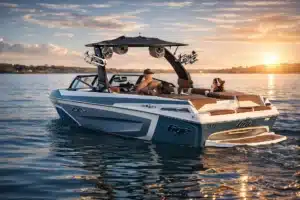
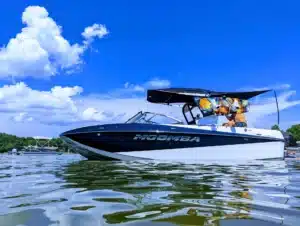
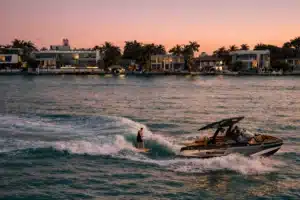
Wakeboarding and wakesurfing demand specific water conditions — calm, deep, and ideally surrounded by a community of riders who know the breaks. Whether you’re a beginner stepping on a board for the first time or chasing bigger air, these five lakes deliver the conditions and infrastructure to make it happen.
Key Takeaways
- Lake Powell’s 2,000-mile shoreline of protected canyon coves provides dead-flat water even in windy conditions, making it ideal for both wakeboarding and wakesurfing across all skill levels.
- Wakesurfing requires an inboard-engine boat only—outboard and stern-drive boats are unsafe due to propeller proximity, and renting the wrong vessel type is the biggest beginner mistake.
- Water temperature dramatically affects session comfort and safety; aim for 75°F or warmer for beginners, and plan Lake Tahoe trips for July-August when it reaches 68°F.
- Early morning (6–10 a.m.) produces the flattest water on every lake because afternoon wind picks up on inland water, making dawn sessions the priority for serious riders.
- Lake Havasu and Lake of the Ozarks offer the strongest rental infrastructure and beginner-friendly conditions, while Shuswap Lake requires booking 6–8 weeks in advance for peak season.
Wakeboarding vs. wakesurfing: what’s the difference
Both sports involve riding a wake behind a boat, but the mechanics — and the gear — are different enough that choosing the wrong lake for the wrong sport matters.
Wakeboarding uses a tow rope kept taut the entire time. The rider is pulled at 18–24 mph, feet strapped into bindings on a single board, and the goal is to carve across the wake, launch off the lip, and land tricks. You need a boat with a wake tower (for rope height) and ballast tanks to shape the wave.
Wakesurfing is a different animal. The rider starts behind the boat at low speed (10–13 mph), catches the wave, and then throws the rope away — surfing the boat’s wake hands-free, indefinitely. Because you’re riding so close to the stern, wakesurfing requires an inboard or surf-specific boat. Outboard and stern-drive engines are not safe for wakesurfing due to propeller proximity. No exceptions.
Key differences at a glance:
- Wakeboarding: tow rope stays in hand, 18–24 mph, any wake-capable tow boat
- Wakesurfing: rope discarded after start, 10–13 mph, inboard or surf-specific boat only
- Wakesurfing is generally easier for beginners to sustain once they’re up
- Wakeboarding offers more trick variety and is more physically demanding on the arms and core
- Both sports benefit from flat, protected water — but wakesurfing is more sensitive to chop because the rider is closer to the wave
The five best lakes for wakeboarding and wakesurfing in 2026
Not every lake is wake-boat friendly. The best wakeboarding and wakesurfing destinations share a few traits: consistent flat water in protected coves, depth over 10 feet to avoid prop wash bouncing back, warm water for extended sessions, and a rental infrastructure that means you don’t have to trailer a boat across three states.
| Lake | Best for | Water conditions | Peak season | Rental availability |
|---|---|---|---|---|
| Lake Powell, AZ/UT | Both sports, all levels | Glassy canyon coves, 500+ ft depth | May–September | Strong — multiple marinas |
| Lake Tahoe, CA/NV | Advanced wakeboarding, scenery | Cold and clear, 1,645 ft deep | July–August | Moderate — book early |
| Lake Havasu, AZ | Beginner wakesurfing, party scene | Warm, protected channels | March–October | Strong — year-round |
| Lake of the Ozarks, MO | Family sessions, beginner wakeboarding | Calm coves, 130 ft max depth | May–September | Strong — large marina network |
| Shuswap Lake, BC | Wakesurfing, houseboat culture | Warm, flat, uncrowded | June–August | Limited — plan ahead |
Lake Powell, Arizona and Utah
Lake Powell is 186 miles long with nearly 2,000 miles of shoreline carved into sandstone canyons — which means there are protected coves around every bend where the water sits dead flat even when wind picks up in the main channel. Depth averages over 100 feet in most riding areas, so wake bounce is a non-issue. Water temperatures hit 75–82°F from June through August, and the canyon walls block afternoon wind that would ruin a session anywhere else.
For wakesurfing, the slot canyons are the move: narrow channels, no boat traffic, and walls that reflect the sound of the wave back at you. For wakeboarding, the open arms of the lake offer long straightaways with room to build speed and carve. Antelope Point Marina and Wahweap Marina both have rental fleets, and the area around Page, Arizona, supports a year-round guide community (NPS Glen Canyon NRA).
New to boating? Find captained charters near you - no experience or license needed.
Browse ChartersLake Tahoe, California and Nevada
At 1,645 feet deep and sitting at 6,225 feet elevation, Lake Tahoe has some of the clearest, coldest freshwater in North America. Water temperatures rarely exceed 68°F even in peak summer, so wetsuits are standard gear for sessions longer than 30 minutes (Tahoe Environmental Research Center).
The riding conditions are exceptional for experienced wakeboarders. The lake is large enough that you can find glassy sections well away from boat traffic. Tahoe is a professional wakesurfing venue — several national-level competitions have been held here. For beginners, the cold water and occasional afternoon chop make it less forgiving than Powell or Havasu. If you’re new to the sport, go in July when the surface water is warmest.
Lake Havasu, Arizona
Lake Havasu runs 45 miles along the Arizona-California border and stays warm enough to ride from March through October — water temperatures climb to 85°F by July. It’s one of the most wake-boat friendly lakes in the Southwest, with designated no-wake zones that keep the main channel organized and open riding areas where you can run long sets without cutting across swimming beaches.
The Bridgewater Channel near the London Bridge is busy with party boats, but the southern reaches of the lake near Cattail Cove State Park offer protected coves that are nearly empty on weekday mornings. Beginners consistently rate Havasu as one of the most approachable wakesurfing destinations in the country: warm water, shallow learning curve for getting up, and rental owners who are used to first-timers.
Lake of the Ozarks, Missouri
The Ozarks is the Midwest’s answer to a purpose-built water sports lake. With 1,150 miles of shoreline and a maze of protected coves, it’s possible to find flat water on almost any given summer day. The lake’s depth maxes out around 130 feet in the main channel, and the coves — where most riders set up — run 20–40 feet, which is plenty for clean wake shape without bottom reflection.
What sets the Ozarks apart is infrastructure. There are more than 100 marinas on the lake, making boat launches and rentals accessible from almost any point on the shore. The local wakeboarding community is active, and several coves near the Grand Glaize area are known beginner wakeboarding spots where you’ll see multiple boats running sets simultaneously. Water temperatures peak at 80–84°F in July and August.
Shuswap Lake, British Columbia
Shuswap sits in British Columbia’s interior and is one of the top wakesurfing destinations in western Canada. The lake is 100 km long with four arms and consistent flat water in the Salmon Arm and Anstey Arm sections. Water temperatures reach 72–76°F in July and August — warm enough for extended wakesurfing without a wetsuit. Boat rental availability is more limited than the US lakes on this list, so plan at least 6–8 weeks ahead for peak summer bookings.
What makes a lake ideal for tow sports
Use this framework when evaluating any lake — including regional favorites like boating lakes in Colorado, lakes in Wyoming, or lakes in Washington state.
Every boat on Boatsetter comes with $1M liability coverage. Rent with confidence.
Find a Boat| Factor | Why it matters | What to look for |
|---|---|---|
| Depth | Shallow water reflects wake back as chop | Minimum 10 ft in riding areas; 20+ ft is ideal |
| Wind exposure | Wind chop destroys wake shape and makes pop unpredictable | Protected coves, canyon walls, or tree-lined shores |
| Boat traffic | Other wakes cross your wake and create confused water | Designated riding areas or early-morning windows |
| Water temperature | Cold water shortens sessions and raises injury risk from falls | 68°F minimum; 75°F+ for comfortable beginner sessions |
| Rental infrastructure | No boat = no ride | Multiple marinas, wake-specific boat inventory |
| No-wake zone placement | Determines how much open water you actually have | Check local regulations before booking |
Getting started: renting a boat for your first session
The single biggest mistake beginners make is booking the wrong boat. A pontoon or bowrider will not generate the wake shape you need for wakesurfing, and it won’t have the tower height for clean wakeboarding rope angles.
Choosing the right boat for wakeboarding
Look for a dedicated wake boat or ski boat with a tower — the elevated rope attachment point keeps the line above the rider’s head through the air, which makes pop easier and reduces shoulder strain. Boats with ballast tanks (built-in water bladders that add weight to shape the wake) give you a bigger, more defined lip to hit. Common models you’ll see in rental fleets include the Mastercraft X-series, Malibu Wakesetter, and Nautique G-series.
Choosing the right boat for wakesurfing
Wakesurfing requires an inboard-engine boat — the propeller is under the hull, not hanging off the stern, which keeps it safely away from the surfer riding 6–8 feet behind the transom. Surf-specific boats like the Malibu 23 LSV or Nautique 230 generate a wave large enough to sustain a hands-free ride through ballast and hull design. If a listing says “outboard” or “stern-drive,” it’s not suitable for wakesurfing. Ask the owner directly before booking.
What to ask a rental owner before you book
- Does the boat have a wake tower and ballast tanks?
- Is the engine inboard (required for wakesurfing)?
- Does the rental include boards, bindings, and a tow rope?
- Will you provide a beginner orientation on the water?
- What are the local no-wake zones near the best riding areas?
Most owners on peer-to-peer rental platforms are riders themselves and will share spot intel that takes years to develop independently. That local knowledge — which cove is glassy at 7 a.m., where traffic picks up after noon — is worth as much as the boat itself.
Seasonal timing: when to book your trip
Timing varies by lake, but a few principles hold across all five destinations:
- May through early June is the sweet spot for Lake Powell and the Ozarks — water is warming up, crowds haven’t arrived, and rental prices are lower than peak summer
- July and August are peak season for Lake Tahoe — the only window when water is warm enough for comfortable sessions without a wetsuit
- March through May and September through October are the best windows for Lake Havasu — summer temperatures in the Arizona desert regularly exceed 110°F, which makes midday sessions genuinely dangerous
- June through mid-August is the Shuswap window — outside that range, water temperatures drop below comfortable riding conditions
- Early morning (6–10 a.m.) produces the flattest water on every lake, regardless of season — wind picks up by midday on most inland lakes
Safety and etiquette on the water
Tow sports carry real risk, and most incidents are preventable with basic protocols:
- Always use a spotter. Federal law requires a second person on board to watch the rider when the driver’s attention is on navigation (USCG)
- Wear a Coast Guard-approved life jacket. Impact vests designed for tow sports offer better fall protection than standard Type II PFDs — look for vests rated for tow sports specifically
- Carry a bright-colored flag or tube. When a rider is in the water, display a skier-down flag (typically orange) so other boats know to give a wide berth
- Maintain 200 feet of clearance from docks, swimmers, and shoreline when towing — many states set this as a legal minimum (Pennsylvania Fish & Boat Commission)
- Idle speed through no-wake zones — marinas and swim beaches are no-wake for a reason, and violations draw fines and erode access for everyone
- Check local regulations before launch — some lakes, including parts of Lake Tahoe, have specific rules about wake boat ballast use to protect shoreline erosion (TRPA)
If you’re new to the sport and unsure about any of this, a captained charter puts an experienced captain in charge of navigation and safety while you focus on learning to ride.
Boatsetter empowers people to explore with confidence by showing them a world of possibility on the water. Rent a boat, list your boat, or become a Boatsetter captain today.
Frequently Asked Questions
What is the difference between wakeboarding and wakesurfing?
Wakeboarding uses a tow rope kept taut while riding at 18–24 mph with feet strapped into bindings; the goal is launching tricks off the wake. Wakesurfing involves catching the boat's wake at 10–13 mph, then releasing the rope to ride hands-free indefinitely. Wakesurfing requires an inboard-engine boat only, while wakeboarding works with any wake-capable boat with a tower.
Which lakes have the calmest water for beginners?
Lake Havasu and Lake Powell offer the calmest, most beginner-friendly conditions. Havasu stays warm (85°F in summer) with protected channels and shallow learning curves for getting up. Powell's canyon coves provide dead-flat water even in windy conditions, with depth over 100 feet that eliminates wake bounce. Both have strong rental infrastructure and patient owners used to first-timers.
What is the best time of year to go wakeboarding?
May through early June is ideal for Lake Powell and the Ozarks — water is warming, crowds haven't arrived, and prices are lower. Lake Havasu peaks March through May and September through October (avoid summer heat above 110°F). Lake Tahoe requires July–August for warm enough water. Regardless of lake, book early morning sessions (6–10 a.m.) for the flattest water before afternoon wind picks up.
Do I need my own boat to go wakeboarding at these lakes?
No — all five lakes have rental infrastructure. Lake Havasu, Lake of the Ozarks, and Lake Powell offer multiple marinas with strong year-round availability. Lake Tahoe requires booking early due to moderate availability. Shuswap Lake is most limited and needs 6–8 weeks advance booking for peak season. Ask rental owners about ballast tanks, wake towers, and beginner orientation before booking.
Your perfect day on the water is a few clicks away. Browse boats near you.
Find a Boat